Analysis by David R. · Reviewed 2026-07-06 · 14 min read
If you have been looking for a way to cut your cable bill without losing access to live sports, international channels, or on-demand movies, you have likely come across the term IPTV box. This complete guide answers the most pressing question upfront: an IPTV box is a dedicated hardware device that connects to your television and internet, allowing you to stream television channels over an internet protocol network instead of traditional satellite or cable infrastructure. Unlike a standard smart TV or streaming stick, an IPTV box is purpose-built to handle the specific protocols and codecs used by IPTV services, giving you a more reliable experience when watching live broadcasts, especially sports events in high definition. In this guide, you will learn exactly what an IPTV box does, how to set one up, the honest limitations to consider, and how it compares to alternatives like Amazon Firestick, Android TV boxes, and smart TVs. Whether you are looking for the best IPTV box for live sports or a cheap IPTV box with wifi for a second television, this article covers everything you need to make an informed decision.
Understanding the technology behind an IPTV box is straightforward once you strip away the marketing jargon. These devices act as a bridge between your internet connection and your television, decoding streams that come in formats like HLS (HTTP Live Streaming) or MPEG-TS. The box itself runs an operating system — typically Android — with specialized IPTV player software installed. This software communicates with your chosen IPTV subscription service, which delivers the channel lineup over the internet. The result is a television experience that combines the live nature of traditional broadcasting with the flexibility of on-demand streaming.
What Is an IPTV Box Exactly?
An IPTV box is a small electronic device, similar in size to a smartphone or a pack of playing cards, that connects to your television via an HDMI cable. It contains a processor, memory, storage, and network connectivity — either through an Ethernet port or built-in Wi-Fi. The primary function of an IPTV box is to receive video streams from an IPTV provider and display them on your TV screen in real time. Unlike cable television, which uses a dedicated coaxial line, or satellite TV, which uses a dish, IPTV relies entirely on your home internet connection.
There are several types of IPTV boxes available on the market. Some run full Android operating systems, allowing you to install any app from the Google Play Store, including Netflix, YouTube, or IPTV player applications like TiviMate or IPTV Smarters Pro. Others run proprietary operating systems that are locked to a single IPTV service provider. The most versatile and popular among enthusiasts are Android-based IPTV boxes because they offer flexibility to switch between IPTV subscriptions and additional streaming services without needing new hardware.
Picture this: you plug the box into your TV, connect it to your home Wi-Fi network, install an IPTV player app, enter the subscription details provided by your IPTV service, and within minutes you have access to hundreds or thousands of television channels from around the world. That is the core promise of an IPTV box — simplicity and access at a fraction of the cost of traditional cable packages.
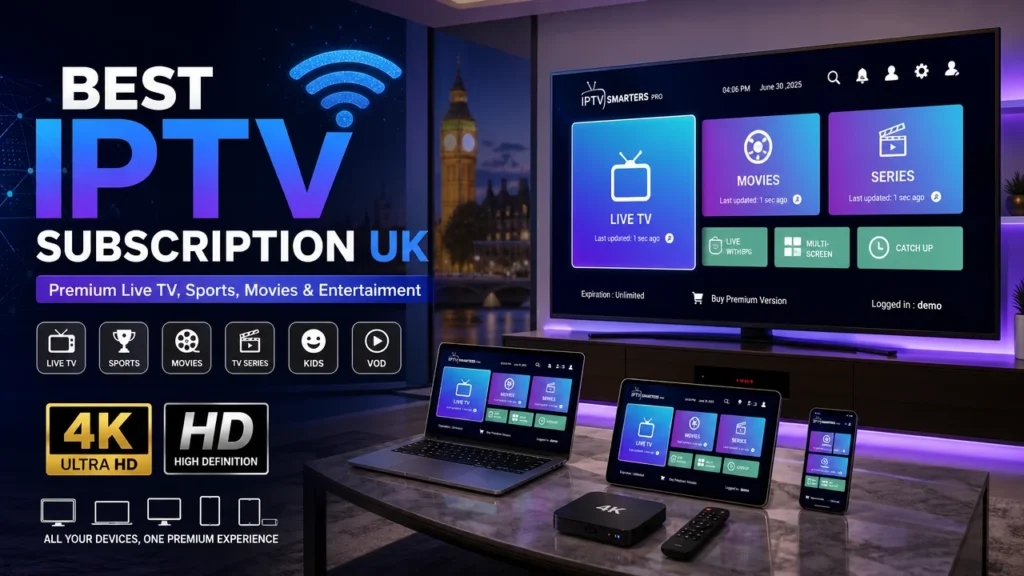
How an IPTV Box Works Step by Step
Related Reading: Free PSN Codes: A Real Case Study of Effective Strategies
The technical process behind an IPTV box is simpler than most people assume. Here is a breakdown of exactly what happens from the moment you press play on a channel until the video appears on your screen.
Step 1: Internet Connection and Data Transmission
When you select a channel on your IPTV box, the device sends a request to the IPTV provider's server over the internet. This request contains information about which channel you want to watch and your account credentials for authentication. The server checks whether your subscription includes access to that channel and, if it does, begins streaming the video data to your device using a protocol designed for live video delivery.
Step 2: Data Reception and Buffering
The IPTV box receives the incoming video stream in small data packets. Modern IPTV boxes have built-in buffer management that temporarily stores a few seconds of video data to compensate for any fluctuations in your internet speed. This buffering is what prevents the stream from freezing or stuttering when your connection speed dips momentarily. Higher-end IPTV boxes have larger memory buffers and more powerful processors, which results in smoother playback even on slightly unstable connections.
Step 3: Decoding and Display
Once the video data is buffered, the processor inside the IPTV box decodes the compressed video signal — typically H.264 or H.265 codecs for high-definition content — and converts it into a format that your television can display. This decoding process is hardware-accelerated on most modern IPTV boxes, meaning the device uses dedicated components to handle video processing without slowing down other operations. The final step sends the video signal through the HDMI cable to your TV, where you see the live channel on screen with synchronized audio.
Step 4: Interactive Features and EPG
Most IPTV boxes support an Electronic Program Guide (EPG) that displays what is currently playing and what will air next across all available channels. The box retrieves this data from the provider's server and displays it in a grid format similar to traditional cable TV guides. You can also use features like pause, rewind, and record depending on your IPTV box and subscription capabilities. Some advanced boxes allow you to record live TV directly to a USB storage device or an SD card.
Concrete Benefits of Using an IPTV Box
People switch to IPTV boxes for several practical reasons. The most immediate benefit is cost savings. A typical cable or satellite subscription in the United States costs anywhere from $80 to $200 per month. An IPTV subscription with a comparable number of channels often costs between $10 and $30 per month, and you can find options that require no contract, allowing you to pay month to month or even week to week.
Another significant benefit is channel variety. IPTV services often aggregate channels from dozens of countries, giving you access to international news, sports leagues, and entertainment that would be impossible to get through a single cable package. If you are looking for the best IPTV box for live sports, many boxes and subscriptions prioritize sports channels from around the world, including Premier League soccer, NBA basketball, NFL football, UFC events, and more — often in 4K resolution where available.
The ability to use a single IPTV box for multiple TVs in your home is another practical advantage. Some IPTV subscriptions allow simultaneous streams on multiple devices. You can install the same IPTV player app on two boxes in different rooms, or on a combination of IPTV boxes and mobile devices, and watch different channels at the same time without needing a separate subscription for each television.
Portability is also worth mentioning. An IPTV box is small enough to pack in a suitcase when traveling. Connect it to any hotel or vacation rental television that has an HDMI port, connect to the local Wi-Fi network, and you have instant access to your home channel lineup abroad. This is particularly useful for expats and frequent travelers who want to stay connected to their home country's television programming.
Honest Limitations You Should Know
Related Reading: How to Get Free Robux - Step by Step for Beginners
While IPTV boxes offer tremendous value, they come with real limitations that deserve honest acknowledgment. The most significant is dependency on internet quality. IPTV requires a stable internet connection with sufficient bandwidth — at least 25 Mbps for HD content and 50 Mbps or more for 4K streams. If your internet connection is unreliable, slow, or subject to data caps, your IPTV experience will suffer with buffering, pixelation, and frequent interruptions. Rural areas with limited broadband options may find IPTV less practical than traditional cable or satellite.
Another limitation is the legal gray area surrounding many IPTV subscriptions. While the technology itself is perfectly legal — many hotels and hospitals use legitimate IPTV systems — some third-party IPTV providers offer channels without proper licensing from content creators. Using such services may expose you to legal risks, including cease-and-desist letters or, in extreme cases, fines. It is essential to research whether your IPTV provider operates with proper licensing for the content they distribute.
User interface quality varies significantly between IPTV boxes. Cheap models with outdated processors and minimal RAM can feel sluggish when navigating menus, changing channels, or loading the EPG. The remote controls included with budget boxes are often cheaply made and have limited range or unresponsive buttons. Investing a little more in a reputable IPTV box with adequate hardware specs dramatically improves the day-to-day experience.
Finally, IPTV boxes require a certain level of technical comfort for initial setup and ongoing maintenance. You need to know how to connect the device, configure network settings, install apps, and enter subscription credentials. While this is not difficult for most people, it is not as plug-and-play as traditional cable television, where you simply connect the coaxial cable and turn on the TV.
Pros
- Significant cost savings over cable
- Thousands of international channels
- No long-term contracts required
- Works on multiple TVs simultaneously
- Portable for travel use
- 4K and HDR support available
- Recording and timeshift capabilities
Cons
- Requires reliable high-speed internet
- Legal risks with unlicensed providers
- Variable hardware quality
- Technical setup required
- No support for all smart TV apps
- Buffering during peak hours
- Limited customer support options
IPTV Box
Examine structural specifications, direct manufacturing packages, and instant priority shipping paths.
BUY NOW →IPTV Box vs. Firestick vs. Smart TV: Honest Comparison
Many people wonder whether they need a dedicated IPTV box or if they can simply use an Amazon Firestick, an Android TV stick, or their smart TV's built-in operating system. The truth is that all of these options can run IPTV player apps, but there are meaningful differences in performance and features. Below is a side-by-side comparison to help you decide which option fits your specific needs.
| Feature | Dedicated IPTV Box | Amazon Firestick | Smart TV (Built-in OS) |
|---|---|---|---|
| Streaming performance | Excellent | Good | Varies |
| 4K & HDR support | Yes | Yes | Depends on model |
| Ethernet port | Yes | No (adapter needed) | Yes |
| USB ports for recording | Yes | No | Depends on model |
| Remote control quality | Varies | Good | Varies |
| App compatibility | Excellent | Excellent | Limited |
| Price range | $30 - $150 | $25 - $60 | Built-in (no extra cost) |
| Best for IPTV | Best choice | Good alternative | Not recommended |
A dedicated IPTV box wins for reliability and features because it has dedicated hardware optimized for video streaming, an Ethernet port for a wired internet connection, and USB ports that enable recording live TV to an external drive. The Amazon Firestick is a solid alternative if you already own one and want to test IPTV without buying new hardware, but its reliance on Wi-Fi and lack of USB recording capabilities limit its effectiveness for serious IPTV users. Smart TVs with built-in operating systems are the least recommended option because their processors are often underpowered for IPTV player apps, their app stores have fewer IPTV-compatible applications, and they lack the customization options that dedicated boxes provide.
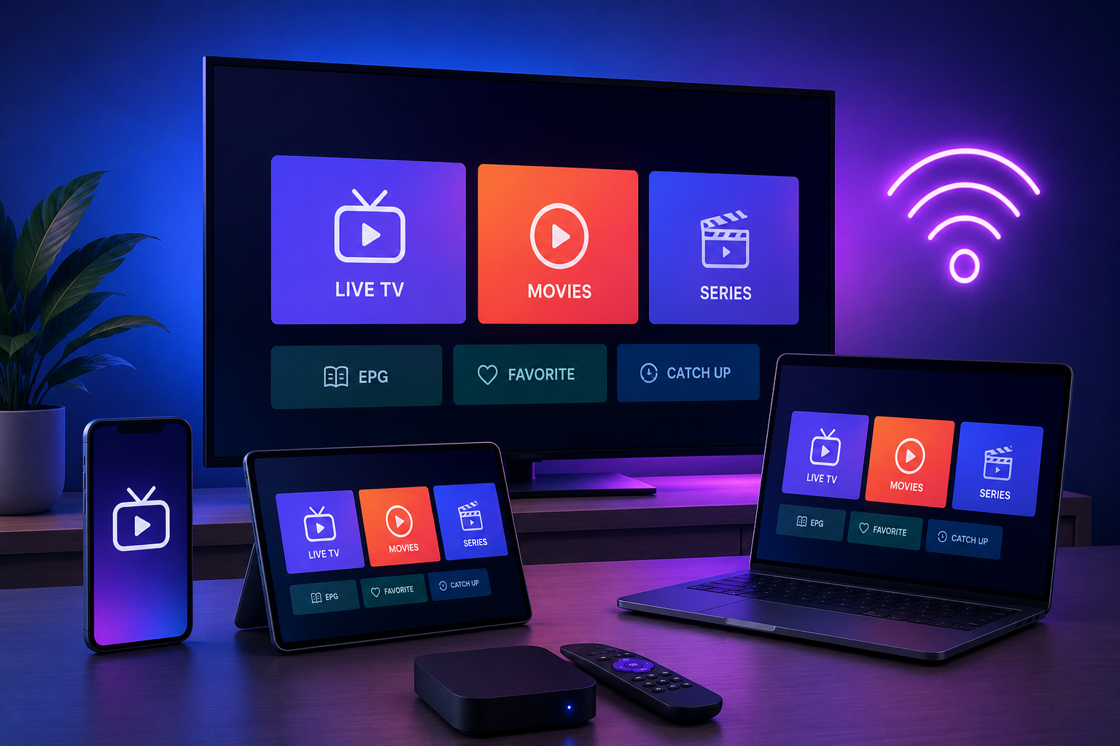
Who Is an IPTV Box For?
Related Reading: Why Your Free iTunes Gift Card Isn't Working - And How to Fix It
An IPTV box is not the right solution for everyone, but it fits specific user profiles particularly well. If you are a sports enthusiast who watches multiple live games per week across different leagues and countries, an IPTV box combined with a sports-oriented subscription is likely the best IPTV box for live sports that you can find. The ability to switch between channels showing different matches without the delays common in streaming apps is a major advantage.
Expats and immigrants who want access to television channels from their home country will find immense value in IPTV boxes. Traditional cable packages rarely include comprehensive international channel lineups, and satellite dishes for foreign channels are often expensive to install and maintain. A cheap IPTV box with Wi-Fi connected to a subscription that includes channels from your home country gives you the same content at a fraction of the cost.
Budget-conscious cord-cutters who are tired of paying high cable bills but still want live television will benefit from switching to an IPTV box. The combination of a one-time hardware purchase and a low monthly subscription with no contract frees up hundreds of dollars per year compared to traditional cable packages. If you are willing to accept occasional buffering and learn the initial setup process, the savings are substantial.
Households with multiple televisions will appreciate that a single IPTV subscription often supports simultaneous streams on multiple devices. You can place an IPTV box on every TV in the house and watch different channels in different rooms without needing separate subscriptions or additional cable boxes. This eliminates the equipment rental fees that cable companies charge for each additional television.
How to Get Started with an IPTV Box — Practical Steps
Getting started with an IPTV box requires following a clear sequence of steps. Here is a numbered guide that walks you through the entire process from unboxing to watching your first channel.
- Choose your hardware. Decide whether you want a dedicated IPTV box or if you will use an existing device like a Firestick. For the best experience, select an IPTV box with at least 2GB of RAM, 16GB of storage, a quad-core processor, dual-band Wi-Fi, and an Ethernet port. Read a 4K IPTV box review or two before purchasing to confirm real-world performance.
- Connect the box to your TV. Use the provided HDMI cable to connect the IPTV box to any available HDMI port on your television. Plug the power adapter into the box and a wall outlet. If your TV has multiple HDMI ports, remember which one you used so you can select the correct input source later.
- Connect to the internet. For the most stable connection, use an Ethernet cable to connect the IPTV box directly to your router. If that is not possible, navigate to the Wi-Fi settings on the box and connect to your home network. Enter your Wi-Fi password using the on-screen keyboard and remote control.
- Install an IPTV player app. Open the Google Play Store on the IPTV box and search for a reputable IPTV player app. Popular options include TiviMate, IPTV Smarters Pro, and OTT Navigator. Install your chosen app. These apps are free to download, though some have premium versions with additional features.
- Obtain your IPTV subscription. Purchase an IPTV subscription from a provider. You will receive a username, password, and server URL, or a playlist URL (M3U link) and EPG URL. Keep this information accessible — you will need it in the next step.
- Configure the IPTV player app. Open the installed app and select the option to add a new playlist or login. Enter the credentials or playlist URL provided by your IPTV service. The app will load the channel list and program guide, which may take a few minutes depending on the number of channels.
- Start watching and customize. Browse the channel list or EPG and select a channel to begin watching. Most apps allow you to create a favorites list, change the video player, and adjust audio settings. Spend a few minutes organizing your channels for easier access to the content you watch most often.
If you encounter buffering during playback, first check your internet connection speed using a speed test app on the IPTV box. If your speed is below 25 Mbps, consider upgrading your internet plan or using a wired Ethernet connection instead of Wi-Fi. You can also try reducing the video quality in the app settings if your connection is stable but slow.
⚠️ Limited Inventory Notice: Compare retail cost-to-value allocation grids and complete zero-risk hardware warranties.
CLAIM SPECIAL OFFER →Advanced Tips for a Better IPTV Experience
Once you have the basics working, a few adjustments can significantly improve your experience. Using a wired Ethernet connection instead of Wi-Fi reduces latency and eliminates wireless interference, which is especially important for live sports where every second matters. If your IPTV box is too far from your router for a convenient Ethernet cable, consider using powerline adapters that send internet signals through your home's electrical wiring.
Adjusting the buffer size in your IPTV player app can help reduce stuttering. A larger buffer stores more video data before playback begins, which smooths out minor connection fluctuations. The trade-off is a slightly longer channel change time. Finding the right balance depends on your connection stability — start with a 3-second buffer and increase it if you experience frequent buffering.
Keeping your IPTV box firmware and apps updated is crucial for security and performance. Check for system updates in the settings menu monthly and enable automatic updates in the Google Play Store. Old firmware can cause compatibility issues with newer streaming protocols and may introduce bugs that affect video playback quality.
Finally, consider using a VPN with your IPTV box if privacy is a concern. Some internet service providers throttle bandwidth for streaming services, which can impact IPTV performance. A VPN encrypts your traffic and hides your streaming activity from your ISP, potentially improving speeds if throttling was occurring. Many IPTV boxes support VPN apps directly from the Play Store, making installation straightforward.
Where to Buy an IPTV Box
You can purchase IPTV boxes from major online retailers like Amazon, eBay, and AliExpress, as well as from specialized electronics stores. When buying, pay attention to the specifications rather than the brand name alone. Look for boxes running Android 10 or newer, with at least 2GB of RAM and 16GB of storage. The processor should be a quad-core 64-bit model clocked at 1.5GHz or higher. Avoid boxes that list only "Android OS" without a specific version number, as these often run outdated software that lacks security patches and app compatibility.
If you are looking for a complete solution that includes both hardware and a pre-configured IPTV subscription, some sellers offer bundled packages. These can be convenient for first-time users but often come